
Small Moments, Lasting Warmth at Home
Today we explore Tiny Connection Practices for Families and Roommates, celebrating small, repeatable gestures that fit between alarms, errands, and mismatched schedules. These are 30–120 second rituals that lower tension, amplify care, and remind everyone they belong. You will find playful prompts, science-tinted tips, and lived anecdotes you can adapt tonight. Try one experiment, notice what shifts, then share your results so we can learn together and keep crafting a lively, supportive household culture.


Morning sparks that set the day kindly
Mornings decide more than calendars; they color moods and expectations for hours. Quick, predictable cues can turn sleepy autopilot into gentle connection without stealing precious minutes. With a few breaths, a glance, or a tiny ritual around light and warmth, households create steady signals of safety. Begin small, keep it playful, and let consistency—not intensity—build trust. Share your favorite morning nudge in a comment so others can borrow and remix it tomorrow.
Meals and mini-snacks as social glue
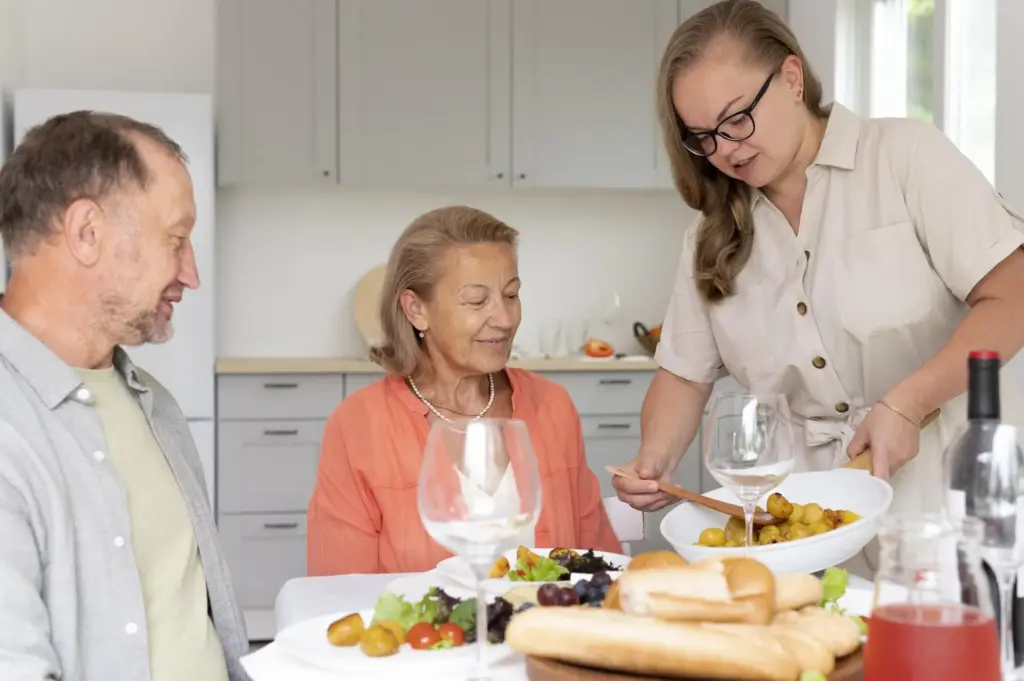
Food already gathers hands and eyes, even when time is tight. Folding a brief ritual into desserts, coffee breaks, or late-night ramen for two turns refueling into relating. We focus on moves that respect different appetites and schedules while inviting gentle disclosure and laughter. These do not require cooking talent, only presence. Experiment with one tiny practice this week, then drop your tweaks and wins so our whole circle can learn from your table.

Five-minute check-ins that actually feel good
Connection deepens when people feel seen without being fixed. These micro check-ins prioritize brevity, turn-taking, and consent, reducing emotional spillover while building empathy. Timers help, signals prevent interruptions, and playful formats lower the stakes. The goal is rhythm, not intensity. After two weeks, many households notice fewer misunderstandings because expectations align. Try one structure below, adapt the language to your culture, and report back with improvements that made it even kinder.

Rose, thorn, bud
Each person shares a rose (something good), a thorn (something hard), and a bud (something hopeful). Keep each share under forty seconds and resist advice unless invited. This balances honesty with optimism. With roommates, it replaces vague vibes with quick clarity. With kids, it teaches naming feelings. Track how often “buds” actually bloom. Post your unexpected buds so others can borrow courage and aim for similar sprouts.
Timered vent and mirror
Set a ninety-second timer for one person to vent freely, then thirty seconds for the listener to mirror key points without commentary. Swap roles once. Neuroscience suggests feeling accurately reflected reduces arousal and defensiveness. This container respects time, avoids spirals, and still honors intensity. If topics run big, schedule a longer talk later. Share scripts that helped you mirror kindly, so our readers can practice without stumbling.

Emoji forecast
Before evening plans, each person texts or voices an emoji forecast for the next few hours—maybe a thundercloud for deadlines or a sparkle for free time. Add one small request the group could honor. Visual shorthand trims friction and invites care without lengthy explanation. Over time, people preempt conflicts by adjusting noise or offering tea. Screenshot the funniest forecasts and tell us which requests got the quickest yes.
Chores turned into chances to connect
Tasks can isolate or unite depending on framing. Pairing effort with micro-games, music, or visible progress transforms drudgery into teamwork. Behavioral research on body-doubling shows simply working alongside someone lifts completion rates. We emphasize fairness, fun, and closure, so everyone leaves lighter, not resentful. Test one approach this week. If energy rises or rooms sparkle faster, drop your playlist or rules in a comment to spark others’ momentum.


Evening wind-downs that calm and connect
How the day ends shapes memory and sleep. Gentle closers help nervous systems settle and relationships feel complete, even after messy hours. Low-tech rituals reduce blue light and social comparison, making space for presence. We suggest brief, soothing moves that welcome all ages and comfort levels. Aim for consistency over depth; repetition compounds benefits. After a week, notice if bedtimes feel softer. Share any tweaks that made quiet moments easier to keep.
Repair and resilience in tiny moves

Do-over doorway
When a comment lands harshly, anyone can call a do-over: step to a threshold, breathe, and restate with kinder tone. Spatial anchors help brains shift states; doorways symbolize transitions. Keep humor gentle, not mocking. Families report kids quickly adopt this, reducing spirals. Roommates appreciate the opt-in reset. Try it for a week and note how many conflicts de-escalate. Share your favorite phrase that invites a reset without blame.
Apology in three beats
Use a simple structure: “When I did X, I imagine it impacted you Y. I will try Z next time.” This centers impact over intent and points forward. Keep it short, sincere, and specific. Linguistic studies show concrete apologies rebuild trust faster. Practice on small bumps so it’s ready for bigger ones. If a variant felt especially respectful in your home, post it to grow our shared library of gentle repairs.
Mismatch to lesson
After plans misalign—noise during calls, dishes during deadlines—run a two-minute debrief: what happened, what each person needed, and one micro-change for next time. Document agreements somewhere visible. This turns friction into feedback, not a scorecard. Over time, you’ll collect household heuristics that prevent repeat snags. Celebrate each improvement with a tiny ritual, like a fist bump. Share which micro-changes produced the biggest relief so other readers can adapt them.
All Rights Reserved.